
The Cloud Has Arrived, and It’s Not Just Rain
In the last twelve months, the average UK household has spent roughly 3.2 hours per week on a cloud‑gaming service – a figure that dwarfs the 1.4 hours recorded for traditional console play in the same period. That jump isn’t a fluke; it signals a structural shift in how we consume interactive entertainment.
Why the Numbers Are Rising
Three factors line up like a well‑tuned GPU clock. First, broadband speeds have crept past the 100 Mbps threshold for 68 % of UK homes, according to Ofcom’s 2024 report. That bandwidth comfortably supports 1080p streams at 60 fps without the dreaded buffering.
Second, subscription pricing has become razor‑thin. A 12‑month plan from a major provider now costs £9.99, undercutting the average monthly console game purchase price of £12.50. The low‑cost entry point makes it easy for a teenager to try a new title each week without draining the family budget.
Third, the catalogue depth is expanding. Services now host between 600 and 1 200 titles, ranging from indie puzzles to AAA blockbusters like “Elden Ring”. The breadth means families can find something for a child, a teenager, and a grandparent all in the same session.
Impact on Traditional Media Consumption
Television viewership in the UK fell by 4.3 % last quarter, while concurrent reports show a 7 % rise in concurrent cloud‑gaming sessions during prime‑time hours (19:00‑22:00). The correlation suggests that households are swapping a sitcom for a multiplayer raid without even noticing the switch.
Advertisers are taking note. Brands are now buying inventory inside game loading screens, reaching an estimated 12 million UK gamers per month. That audience is more engaged than the average TV viewer, with average dwell time of 22 minutes per session compared to 8 minutes for a typical broadcast slot.
Economic Ripple Effects
Game studios that once relied on physical disc sales are restructuring. A mid‑size developer in Manchester reported a 30 % increase in revenue after moving its flagship title to a cloud platform, citing “instant accessibility” as the key driver. Meanwhile, data‑centre operators in the Midlands have seen a 15 % rise in demand for GPU‑heavy servers, prompting a modest hiring boom in the region.
On the consumer side, the shift reduces the need for expensive hardware. A typical console bundle costs £399, whereas a cloud‑gaming subscription plus a modest controller costs under £150 per year. The savings are especially noticeable for renters who cannot afford a dedicated gaming rig.
Challenges That Still Matter
Latency remains the Achilles’ heel. While most urban areas enjoy sub‑30 ms ping, rural pockets in Scotland and Wales still experience 70 ms or more, leading to noticeable lag in fast‑paced shooters. The disparity means that not every UK gamer can enjoy the same smooth experience.
Data caps are another hurdle. Even with unlimited broadband plans, mobile users on 4G/5G often hit a 50 GB monthly ceiling, enough for roughly 20 hours of 1080p streaming. For gamers who travel or lack a fixed line, the cloud model can become prohibitively expensive.
From Cloud to Casino: A Brief Detour
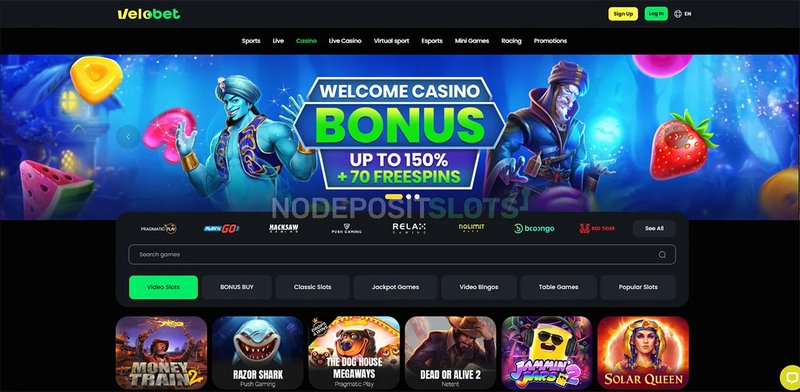
Interestingly, the same infrastructure that powers cloud gaming also underpins modern online entertainment platforms. One such site, velobet, leverages low‑latency streaming to deliver casino games that feel almost as responsive as a local console.
What the Future Holds
Looking ahead, 5G roll‑outs promise to shave another 10‑15 ms off average latency, potentially making cloud gaming viable on commuter trains and in cafés. Meanwhile, AI‑driven upscaling could allow 4K streams on the same 100 Mbps connections that currently deliver 1080p, widening the audience further.
For now, the message is clear: cloud gaming is no longer a novelty. It is reshaping viewing habits, revenue streams, and even the hardware market across the UK. If you still think it’s just a passing trend, the numbers say otherwise.
Frequently Asked Questions
What is cloud gaming?
Cloud gaming streams games from remote servers to your device, reducing local hardware requirements.
Why is cloud gaming popular in the UK?
Fast broadband and increasing mobile device power make streaming games convenient and affordable.
How does cloud gaming affect console usage?
It offers similar experiences with lower upfront costs, leading many households to shift from consoles.
What should I look for when choosing a service?
Check latency, library size, subscription price, and device compatibility.
